Surah An-Nazi'at explained for children, in pictures
Whoever fears his Lord and holds back from bad desires, Paradise is his home
Meaning from Tafsir Al-Muyassar, simplified for children. Reviewed by Sherif Alkady, 17 October 2026.
The lessons
 1 · Verses 1–5
By those who pull out
Allah swears by the angels: those who pull out the souls of the disbelievers harshly, those who take the souls of the believers gently, those who glide down from the sky and up again, those who race to carry out Allah's command, and those who arrange what Allah has given them to manage.
 2 · Verses 6–9
The Day of the great quake
On the Day the earth shakes with the first blast, followed by a second one, the hearts of the disbelievers will tremble with fear, and their eyes will be lowered by the terror of what they see.
 3 · Verses 10–14
One single blast
The deniers say: 'Will we really be brought back to life after death, when we have become crumbling bones? That would be a losing return.' But it will be only one single blast, and suddenly they will be alive on the face of the earth.
 4 · Verses 15–19
Go to Pharaoh
Has the story of Moses, peace be upon him, reached you, O Prophet, peace be upon him? When his Lord called him in the holy valley of Tuwa: 'Go to Pharaoh, for he has transgressed, and say to him: Would you like to purify yourself, and let me guide you to your Lord so you will fear Him?'
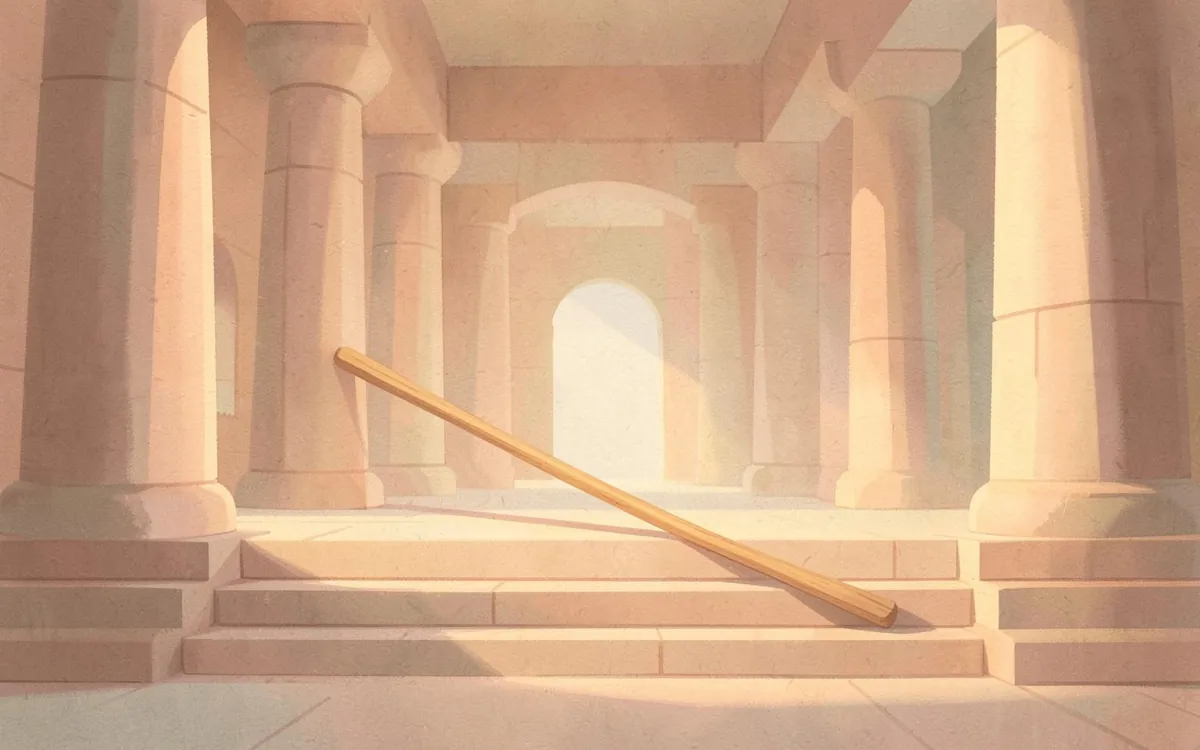 5 · Verses 20–22
The greatest sign
So Moses showed Pharaoh the greatest sign, the staff and the hand, but Pharaoh denied and disobeyed his Lord, then turned his back and set about working against Moses.
 6 · Verses 23–26
"I am your lord, most high"
Pharaoh gathered the people of his kingdom and called out: 'I am your lord, most high!' So Allah punished him in this world and the next, and made him a lesson for others. In that is a lesson for whoever fears Allah.
 7 · Verses 27–29
Are you harder to create, or the sky?
Is bringing you back after death harder, or creating the sky? Allah built it above you, raised its ceiling high and made it even, darkened its night and brought out its day with the sun.
 8 · Verses 30–33
And the earth He spread out
And after that He spread out the earth, brought out of it springs of water and pasture, and set the mountains firm in it, all as provision for you and your livestock.
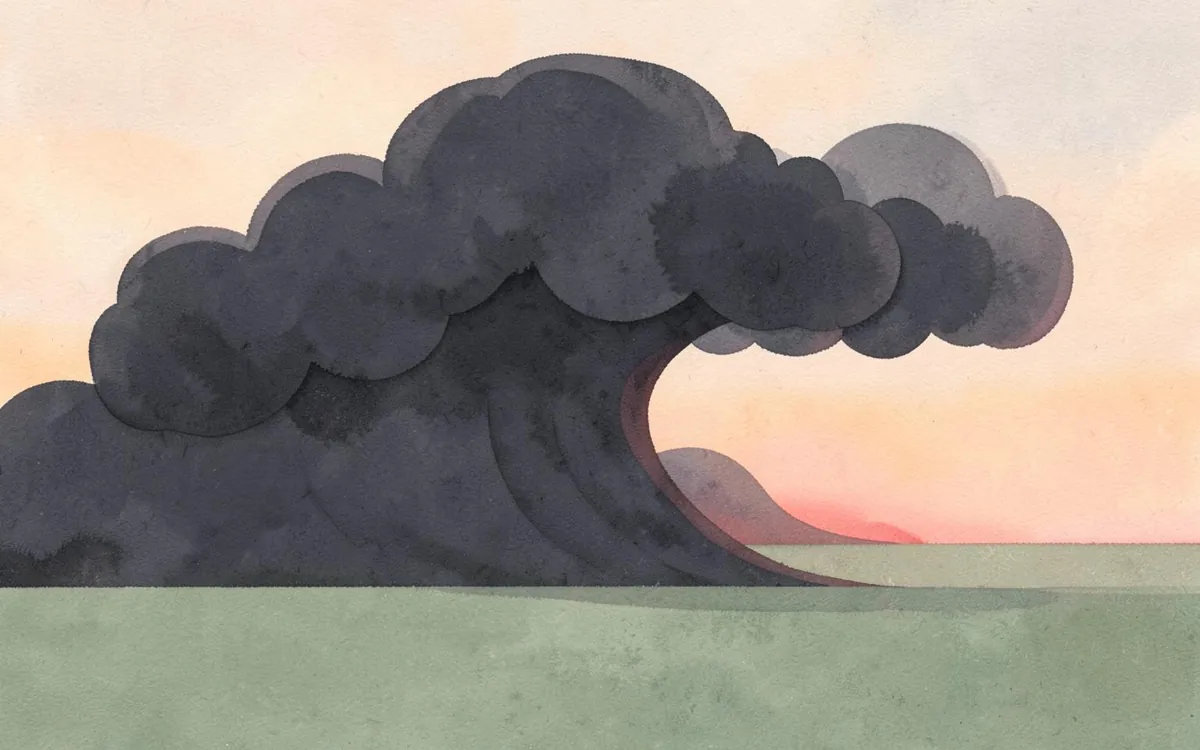 9 · Verses 34–36
The great overwhelming event
When the great overwhelming event comes, man will remember everything he did, good and bad, and Hell will be shown plainly to everyone who sees.
 10 · Verses 37–39
And preferred this world
As for the one who rebelled against Allah's command and preferred the life of this world over the Hereafter, his home will be the Fire.
 11 · Verses 40–41
And held the soul back from desire
But the one who feared standing before his Lord for the reckoning and held his soul back from bad desires, Paradise will be his home.
 12 · Verses 42–46
They ask you about the Hour
The idolaters ask you, O Prophet, peace be upon him, when the Hour will come. Its knowledge is not with you; it is with Allah alone. You are only a warner to those who fear it. On the Day they see it, it will be as if they had lived in this world only an evening or a morning.
Surah An-Nazi'at at a glance
Surah An-Nazi'at is a Makki surah with 46 verses; it is number 79 in the mushaf, in juz 30 (Juz Amma), and starts on page 583.
- Order in the mushaf
- 79
- Number of verses
- 46 verses
- Makki or Madani
- Makki (revealed in Makkah)
- Juz
- 30 (Juz Amma)
- Starts on page
- 583
- What its name means
- An-Nazi'at are the angels who pull out the souls of the disbelievers harshly: the surah opens by swearing by them.
Classification, verse count and page numbers follow the Madinah Mushaf (Hafs from Asim, Kufi count).
Word meanings in Surah An-Nazi'at for kids
Meanings from Tafsir Al-Muyassar, in simple words.
- وَٱلنَّٰزِعَٰتِ غَرْقًۭا
- angels who pull out souls harshly (Verse 1)
- وَٱلنَّٰشِطَٰتِ نَشْطًۭا
- angels who take souls gently (Verse 2)
- وَٱلسَّٰبِحَٰتِ سَبْحًۭا
- angels gliding down and up (Verse 3)
- فَٱلسَّٰبِقَٰتِ سَبْقًۭا
- angels racing to obey (Verse 4)
- فَٱلْمُدَبِّرَٰتِ أَمْرًۭا
- angels who carry out Allah's commands (Verse 5)
- ٱلرَّاجِفَةُ
- the first blast that shakes everything (Verse 6)
- ٱلرَّادِفَةُ
- the second blast that follows (Verse 7)
- وَاجِفَةٌ
- trembling (Verse 8)
- خَٰشِعَةٌۭ
- lowered (Verse 9)
- ٱلْحَافِرَةِ
- our former life (Verse 10)
- نَّخِرَةًۭ
- decayed (Verse 11)
- كَرَّةٌ خَاسِرَةٌۭ
- a losing return (Verse 12)
- زَجْرَةٌۭ
- a single blast (Verse 13)
- بِٱلسَّاهِرَةِ
- on the surface of the earth (Verse 14)
- ٱلْمُقَدَّسِ
- the sacred (Verse 16)
- طُوًى
- Tuwa, the valley's name (Verse 16)
- طَغَىٰ
- has gone too far (Verse 17)
- تَزَكَّىٰ
- purify yourself (Verse 18)
- ٱلْءَايَةَ ٱلْكُبْرَىٰ
- the great sign: the staff and the hand (Verse 20)
- يَسْعَىٰ
- striving against Musa (Verse 22)
- فَحَشَرَ
- so he gathered his people (Verse 23)
- نَكَالَ
- an exemplary punishment (Verse 25)
- لَعِبْرَةًۭ
- a lesson (Verse 26)
- سَمْكَهَا
- its ceiling (Verse 28)
- فَسَوَّىٰهَا
- and made it flawless (Verse 28)
- وَأَغْطَشَ
- and darkened (Verse 29)
- ضُحَىٰهَا
- its daylight (Verse 29)
- دَحَىٰهَآ
- spread it out (Verse 30)
- وَمَرْعَىٰهَا
- its pasture (Verse 31)
- أَرْسَىٰهَا
- fixed them firmly (Verse 32)
- مَتَٰعًۭا
- provision (Verse 33)
- وَلِأَنْعَٰمِكُمْ
- your livestock (Verse 33)
- ٱلطَّآمَّةُ ٱلْكُبْرَىٰ
- the great overwhelming event (Verse 34)
- سَعَىٰ
- what he did (Verse 35)
- وَبُرِّزَتِ
- is brought into view (Verse 36)
- طَغَىٰ
- transgressed (Verse 37)
- وَءَاثَرَ
- and preferred (Verse 38)
- ٱلْمَأْوَىٰ
- the home (Verse 39)
- مَقَامَ رَبِّهِۦ
- standing before his Lord (Verse 40)
- ٱلْهَوَىٰ
- bad desires (Verse 40)
- أَيَّانَ
- when (Verse 42)
- مُرْسَىٰهَا
- its arrival (Verse 42)
- مُنتَهَىٰهَآ
- its final knowledge (Verse 44)
- يَلْبَثُوٓا۟
- stayed (Verse 46)
- عَشِيَّةً
- an afternoon (Verse 46)
- ضُحَىٰهَا
- its morning (Verse 46)
Check your understanding of Surah An-Nazi'at: questions for kids
Read the question, think, then tap the answer you choose.
1. Where did Allah call Musa?
2. Why was Musa sent to Pharaoh?
3. What great sign did Musa show Pharaoh?
4. What did Pharaoh tell his people?
5. Why did Allah fix the mountains and bring out water and plants?
6. Whose home will Paradise be?
7. Who knows when the Hour will come?
Questions parents ask
What is a simple explanation of Surah An-Nazi'at for children?
It begins with Allah swearing by the angels, then tells that the Last Day is one single blast and people rise alive. It tells the story of Moses, peace be upon him, and Pharaoh, who transgressed and said 'I am your lord, most high', so Allah punished him and made him a lesson. Then it reminds us that creating the sky and the earth is greater than bringing us back after death.
What did Pharaoh say in Surah An-Nazi'at?
Pharaoh gathered the people of his kingdom and called out: 'I am your lord, most high!' So Allah punished him in this world and the next, and made him a lesson for whoever fears Allah.
What is the lesson of Surah An-Nazi'at?
That whoever fears standing before his Lord for the reckoning and holds his soul back from bad desires, Paradise is his home. But whoever prefers the life of this world over the Hereafter, his home will be the Fire.
Why is Surah An-Nazi'at called by this name?
An-Nazi'at are the angels who pull out the souls of the disbelievers harshly: the surah opens by swearing by them.
What are the main facts about Surah An-Nazi'at?
Surah An-Nazi'at is a Makki surah with 46 verses; it is number 79 in the mushaf, in juz 30 (Juz Amma), and starts on page 583. Its big idea: Whoever fears his Lord and holds back from bad desires, Paradise is his home.
Surahs close to Surah An-Nazi'at
Surahs with a close idea, to carry the journey on.