Surah Al-Balad explained for children, in pictures
The steep path to Paradise: feed the hungry and be merciful
Meaning from Tafsir Al-Muyassar, simplified for children. Reviewed by Sherif Alkady, 21 October 2026.
The lessons
 1 · Verses 1–4
Created to strive
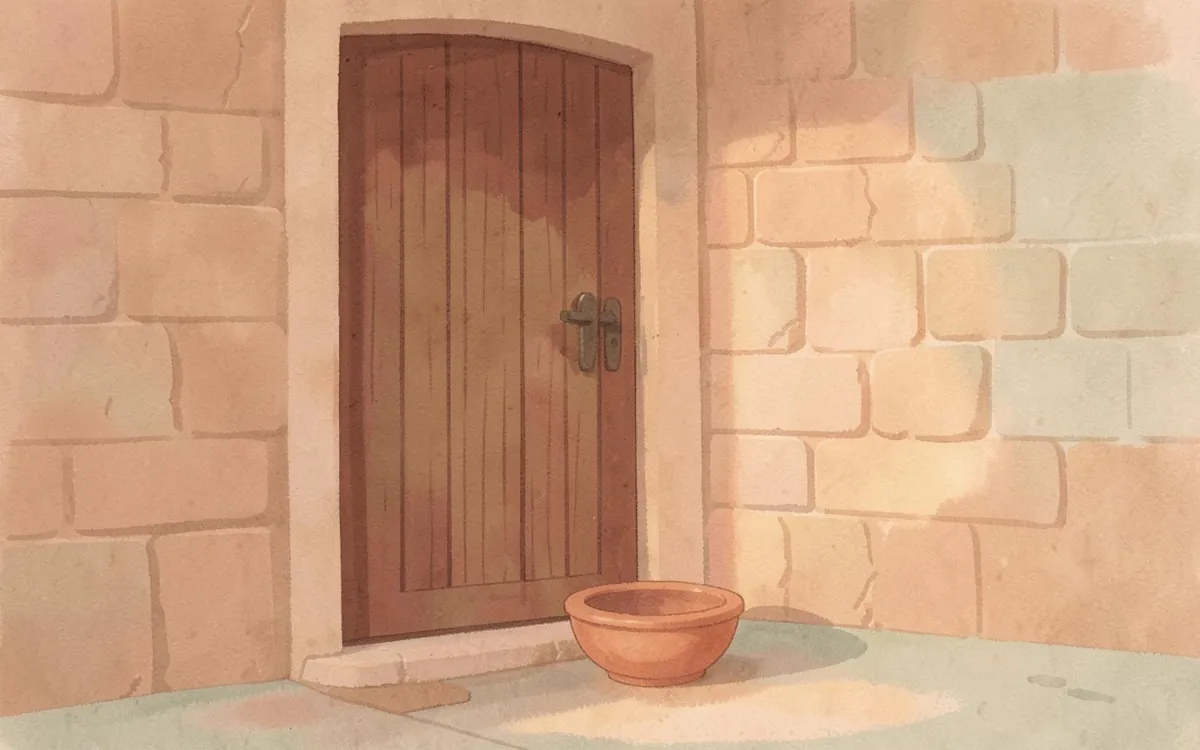
Allah swears by this sacred city, Makkah, while the Prophet, peace be upon him, lives in it, and by Adam, father of mankind, peace be upon him, and his children: Allah created man to strive and toil in this life.
 2 · Verses 5–7
Does he think no one saw him?
Does this man think that Allah has no power over him? He boasts, 'I have spent piles of money.' Does he think that Allah does not see him, and will not ask him about every small and big thing?
 3 · Verses 8–10
Two clear paths
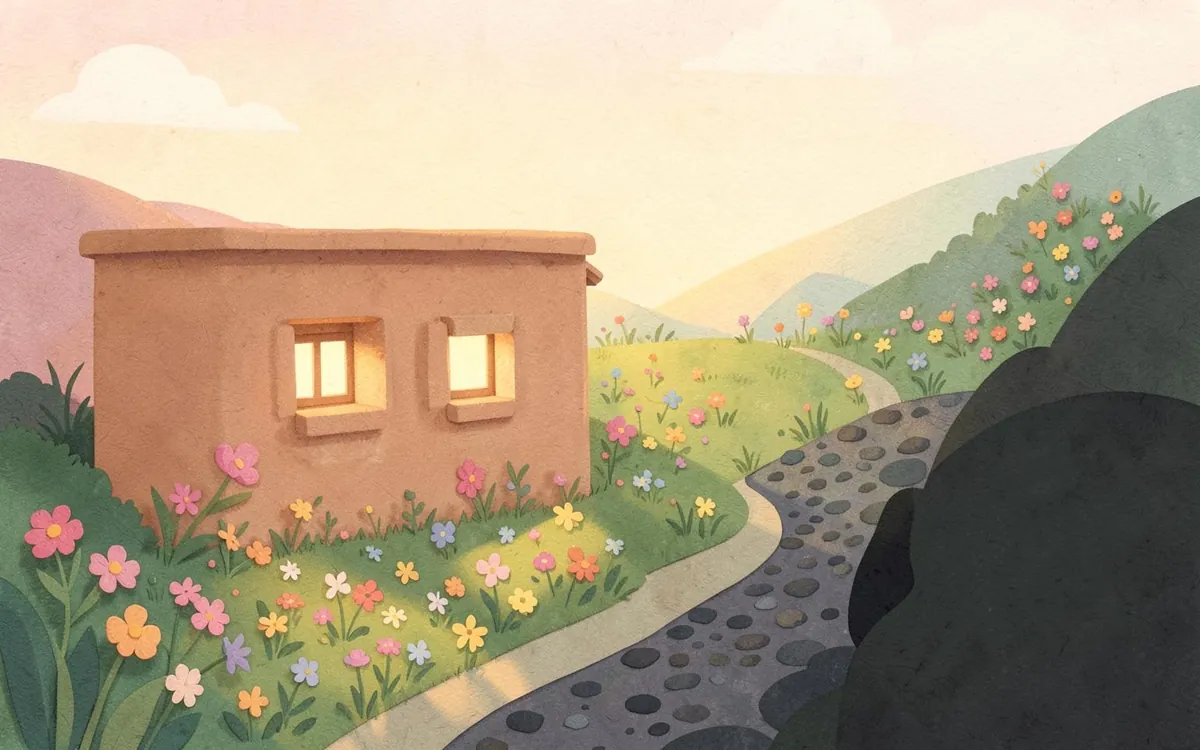
Did Allah not give man two eyes to see with, a tongue and two lips to speak with, and show him the way of good and the way of evil?
 4 · Verses 11–13
Climbing the steep pass
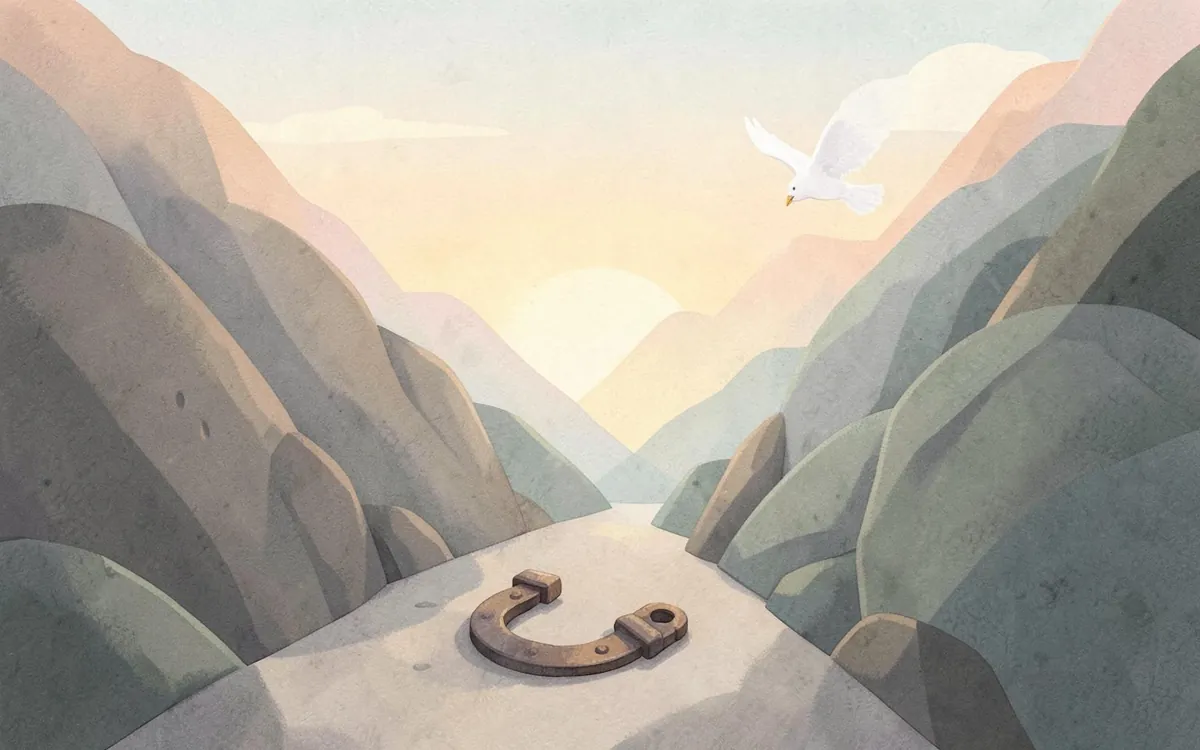
If only he had taken on the steep pass that saves him on the Last Day! And what will make you know what the steep pass is? It is freeing a slave from slavery.
 5 · Verses 14–16
Feeding on a day of hunger
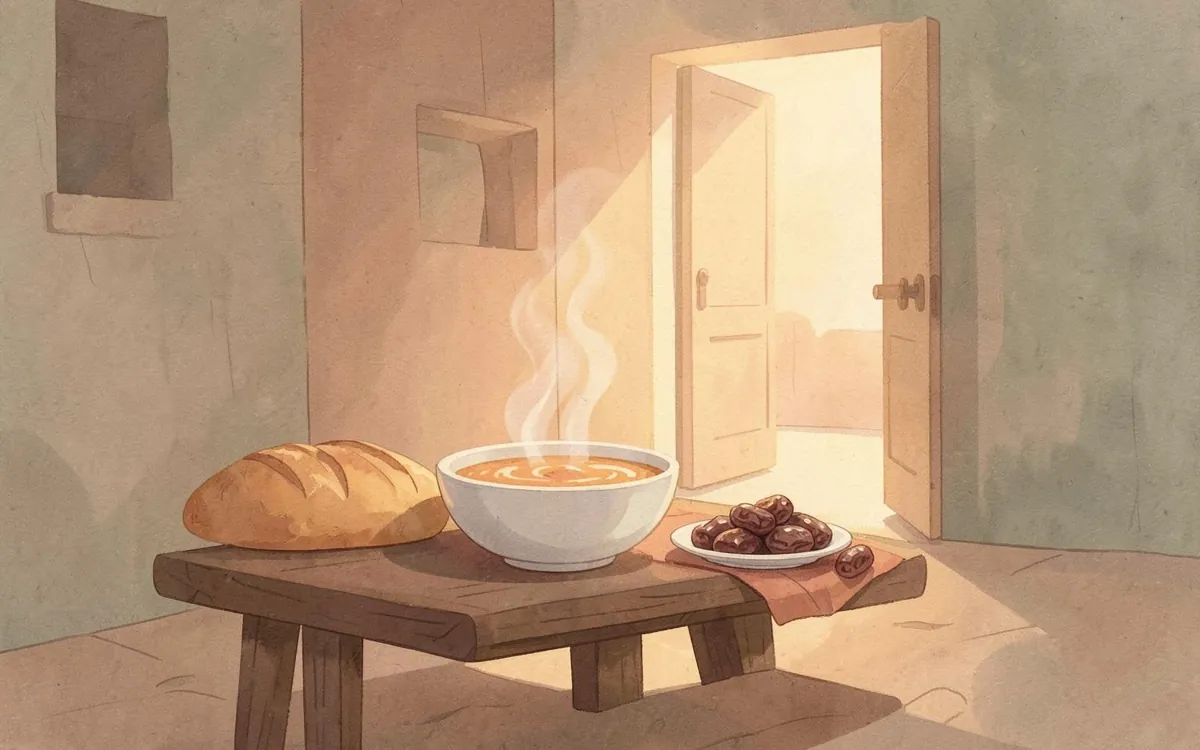
Or feeding, on a day of great hunger, an orphan who is a relative, or a very poor person who has nothing.
 6 · Verses 17–18
Urging patience and mercy
And besides all that, being among the believers who urge one another to be patient in obeying Allah and to be merciful to people. They are the companions of the right, taken to Paradise.
 7 · Verses 19–20
A Fire closed over them
But those who disbelieved in Allah's signs are the companions of the left, taken to the Fire, and it is closed over them.
Surah Al-Balad at a glance
Surah Al-Balad is a Makki surah with 20 verses; it is number 90 in the mushaf, in juz 30 (Juz Amma), and starts on page 594.
- Order in the mushaf
- 90
- Number of verses
- 20 verses
- Makki or Madani
- Makki (revealed in Makkah)
- Juz
- 30 (Juz Amma)
- Starts on page
- 594
- What its name means
- Al-Balad is the City, Makkah the sacred city: Allah swears by it while His Messenger ﷺ was living in it.
Classification, verse count and page numbers follow the Madinah Mushaf (Hafs from Asim, Kufi count).
Word meanings in Surah Al-Balad for kids
Meanings from Tafsir Al-Muyassar, in simple words.
- بِهَٰذَا ٱلْبَلَدِ
- this city: Makkah (Verse 1)
- حِلٌّۢ
- living (Verse 2)
- وَوَالِدٍۢ
- the father: Adam (Verse 3)
- كَبَدٍ
- toil and struggle (Verse 4)
- أَهْلَكْتُ
- I have spent (Verse 6)
- لُّبَدًا
- heaps of (Verse 6)
- ٱلنَّجْدَيْنِ
- the two paths (Verse 10)
- ٱقْتَحَمَ ٱلْعَقَبَةَ
- take the steep path (Verse 11)
- فَكُّ رَقَبَةٍ
- freeing a slave (Verse 13)
- ذِى مَسْغَبَةٍۢ
- severe hunger (Verse 14)
- ذَا مَقْرَبَةٍ
- a relative (Verse 15)
- ذَا مَتْرَبَةٍۢ
- in utter poverty (Verse 16)
- وَتَوَاصَوْا۟ بِٱلصَّبْرِ
- urged one another to patience (Verse 17)
- بِٱلْمَرْحَمَةِ
- compassion (Verse 17)
- أَصْحَٰبُ ٱلْمَيْمَنَةِ
- the people of the right (Verse 18)
- أَصْحَٰبُ ٱلْمَشْـَٔمَةِ
- the people of the left (Verse 19)
- مُّؤْصَدَةٌۢ
- closed over (Verse 20)
Check your understanding of Surah Al-Balad: questions for kids
Read the question, think, then tap the answer you choose.
1. Which city does Allah swear by in the surah?
2. What does the boastful person say?
3. What did Allah give a person to see with?
4. What did Allah show a person?
5. Which is part of the steep path that saves on the Day of Resurrection?
6. What do the believers urge one another to?
Questions parents ask
What is a simple explanation of Surah Al-Balad for children?
Allah swears by Makkah, the sacred city, that He created man to strive and toil in this life. It reminds him of Allah's blessings: two eyes to see with, a tongue and two lips to speak with, and the ways of good and evil. Then it calls him to the steep pass that saves him: freeing a slave, and feeding an orphan or a poor person on a day of hunger.
What is «the steep pass» in Surah Al-Balad?
It is the hard path that saves a person on the Last Day: freeing a slave, or feeding, on a day of great hunger, an orphan who is a relative or a very poor person who has nothing, and being among the believers who urge one another to patience and mercy.
What is the lesson of Surah Al-Balad?
That the steep path to Paradise is to feed the hungry and be merciful to people, and to urge one another to be patient in obeying Allah.
Why is Surah Al-Balad called by this name?
Al-Balad is the City, Makkah the sacred city: Allah swears by it while His Messenger ﷺ was living in it.
What are the main facts about Surah Al-Balad?
Surah Al-Balad is a Makki surah with 20 verses; it is number 90 in the mushaf, in juz 30 (Juz Amma), and starts on page 594. Its big idea: The steep path to Paradise: feed the hungry and be merciful.
Surahs close to Surah Al-Balad
Surahs with a close idea, to carry the journey on.